-
Heartbreaking fight: Natasha Hepburn says she’ll do anything to get her eight-year-old son Nathan treated for a dangerous brain AVM after a 2021 seizure and a 2023 failed radiation treatment. Doctors in Toronto embolized a bleeding aneurysm and saved him, but the lesion is unstable with micro‑hemorrhages; German Dr. René Chabot offers a transvenous glue treatment (Obtura) that he says could cure Nathan, but it costs about $61,000 per session and may require 3–5 sessions — the family has applied to Health Minister Josie Osborne and started a GoFundMe. This means an anxious daily reality for the family (MRIs every 3 months under anaesthetic) and a race against time and money to access care not available in Canada.
-
Safety alert: Vancouver police warn the public after violent offender Jordan McIntosh — who has 49 convictions (11 for violence or weapons) — was re‑released into the community. McIntosh, who cut off an ankle monitor and fled on Dec. 4, was tracked down March 2 after jumping from a window; he was held for a breach hearing March 18 and then released again with a new ankle monitor, prompting concern about public safety. In other words, neighbours should stay alert and report suspicious behaviour to police.
-
Frustration in Kelowna: Justin Collins — linked to more than 400 police files since 2016 and who has faced 64 charges over the past decade — is facing three new charges (an indecent act on Feb. 16 and two mischief counts, one from March 3) and was released on $250 bail with conditions. Local officials including MLA Kristina Loewen and Mayor Tom Dyas say the repeat‑offender case highlights worries about bail rules; the province points to programs like ReVOII and a new $16 million C‑POII rollout to curb repeat offending. The case returns to court March 31 and fuels calls for tougher bail and repeat‑offender measures.
-
Six years missing: Michael Gazetas vanished after leaving his Courtenay, B.C., home and was last seen Jan. 31, 2020; his red 2011 Ford Ranger (plate HX4109) was last spotted near Gold River about 140 km away. Comox Valley RCMP say searches at the time and since have not found him or his truck, and they urge hikers, hunters and anyone on northern Vancouver Island to keep an eye out (file 2020‑1779); call Comox Valley RCMP at (250) 338‑1321 with tips. His family says every anniversary is hard and they haven’t given up hope.
-
Deportations tied to extortion crackdown: The CBSA says that since August it opened 372 immigration probes, issued 70 removal orders and removed 35 people as of March 12, with 34 removal orders and 25 removals in the Pacific region. Two recent deportees named by CBSA are Arshdeep Singh and Sukhnaaz Singh Sandhu, linked to organized crime; Surrey has logged 64 extortion‑related cases (11 tied to shootings) and its mayor has asked Ottawa to declare a national emergency — the federal government has not responded. This is part of a wider effort to use immigration enforcement against crime linked to extortion.
-
Landslide cuts off homes near Coquitlam River: A slide on Thursday morning on Pipeline Road (south of the watershed facility) left four homes cut off and debris on two properties; Coquitlam Search and Rescue rescued six people and a dog and a geotechnical check found the slide stable for now. BC Hydro reported a power outage around 5:15 a.m. caused by the mud/snow slide affecting Kamikaze Field, the water treatment plant and the sockeye hatchery, and Pipeline Road remains blocked while assessments continue. If you live or travel nearby, expect closures and occasional helicopter activity.
-
Long‑term care crunch: B.C.’s decision in the February budget to delay seven long‑term care projects (Squamish, Abbotsford, Campbell River, Chilliwack, Delta, Kelowna and Fort St. John) affects about 1,223 beds and draws criticism amid a projected need for 16,000 new beds over the next decade. Wait‑lists grew from 2,381 to 7,212 between 2016 and 2025 and wait times doubled from 146 to 290 days; Finance Minister Brenda Bailey says delays aim to avoid paying as much as $1.8 million per bed, while critics warn delays will increase pressure on hospitals, families and caregivers. Personal stories, like James Wolfe’s search for care for his 68‑year‑old brother Brian, show how delays can deeply affect households.
-
A snowless winter and what it means: Vancouver is on track to end its first official snow‑free winter since 1982–83, with Dec–Feb mean temperature about 6 °C (seasonal average 4.3 °C) and only trace snow on three days — the second‑warmest winter on record for the city. Researchers at UBC warn this is a visible sign of climate change; South Coast snowpack sits at about 79% of the historic median and Vancouver Island at 61%, while winter precipitation at YVR was ~384 mm vs an average of 436 mm, raising concerns about summer water supply, wildfire risk and hydroelectric impacts. In short, warmer winters may start to become more common, with real effects on water and everyday life.
B.C. Daily Digest — March 19, 2026
Source Articles (8)

‘Every child deserves a chance to grow up’: B.C. mom fights to get son treatment overseas
'He's beautiful, he's kind, he's loving,' Natasha Hepburn said. 'He loves playing with his brother. He loves going to the playground, just being silly.'
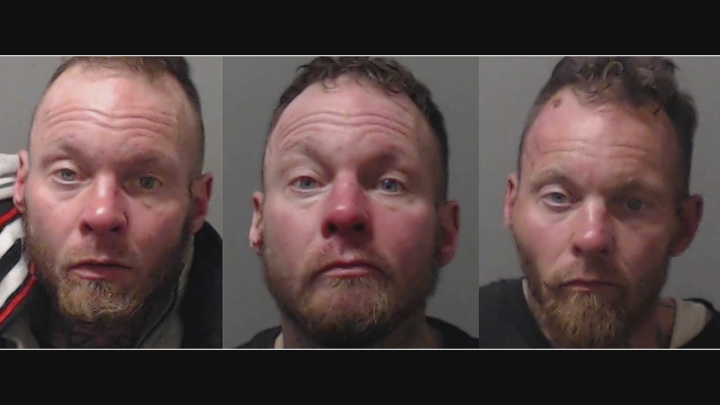
After more than 400 police files, Kelowna reoffender released on bail
“400 police files, I don’t know what the number is where it gets to the point where it’s serious enough that they are going to deal with it properly,” Dyas added.

Vancouver police issue warning after violent offender re-released into community
Jordan McIntosh was previously released back into the community last September and was serving a conditional sentence order related to two counts of assault.

6 years after Michael Gazetas went missing, his family isn’t giving up hope
RCMP said with many new residents who might be out exploring Vancouver Island's backcountry, police are asking people to keep a lookout, especially in Northern Vancouver Island.

2 men deported from B.C. as CBSA continues extortion-related crackdown
On Wednesday, CBSA said it has been monitoring immigration cases that have been potentially linked to extortion cases since August.

8 people, 2 dogs, 1 cat rescued after homes cut off by landslide near Coquitlam River
The City of Coquitlam confirms to Global News that the slide happened on Thursday morning on Pipeline Road, south of the watershed facility.

B.C. faces long-term care shortage, and decision to delay facilities is drawing fire
The decision, announced in the February budget, comes amid a shortfall of long-term care beds that is projected to soar over the next decade as the population ages.

Vancouver closing out first no-snow winter in 43 years. There may be more on the way
Vancouver is poised to close out its first official snow-free winter in 43 years, in what environmental researchers say may become a new norm for southwestern British Columbia.